


I have spent years watching how players use online gaming platforms, and one truth stands out: the most empowering feature any casino can present is a solid set of self-exclusion tools. This is not about limitation for its own sake. It is about giving you absolute control over your time and spending. I want to take you through every facet of self-exclusion, from the moment you consider it to the day you might return, so you can make decisions with clarity and confidence.
Exploring Self-Exclusion Truly Signifies
When discussing self-exclusion, I am talking about a official, voluntary agreement between you and a gaming provider to restrict your access to your account for a set period. This is far from a simple break or a cooling-off prompt. It is a legally binding request that the casino must honor without deviation. Once enforced, you are unable to log in, place bets, or add funds.
I have seen many players misinterpret this as a permanent restriction, but it is much more adaptable. You select the duration, and the platform implements it rigidly. During this window, all promotional communications, push updates, and direct advertising from the casino must stop. It is a total digital barrier intended to break the immediate urge loop.
From the operator’s perspective, self-exclusion is a non-negotiable compliance obligation. Authorities in multiple regions demand it, and refusal to enforce it can result in severe penalties. For you, it indicates the instruction is handled diligently at every tier of the organization, from customer assistance to the automated backend mechanisms that lock the account.
How to Enable a Self-Exclusion Duration
I have walked through the activation process on many platforms, and the mechanics are generally straightforward. The first place I direct you to is the “Responsible Gaming” or “Safer Gambling” section, commonly found in the account menu or website footer. You do not need to speak to anyone if you choose anonymity; the digital self-service option is always available.
Once inside that section, you will find a dedicated tab for self-exclusion. I always suggest reading the exact terms before clicking confirm. The interface will ask you to select a duration from a dropdown menu and often a reason, though the reason is normally optional. After you submit, the system signs you out instantly.
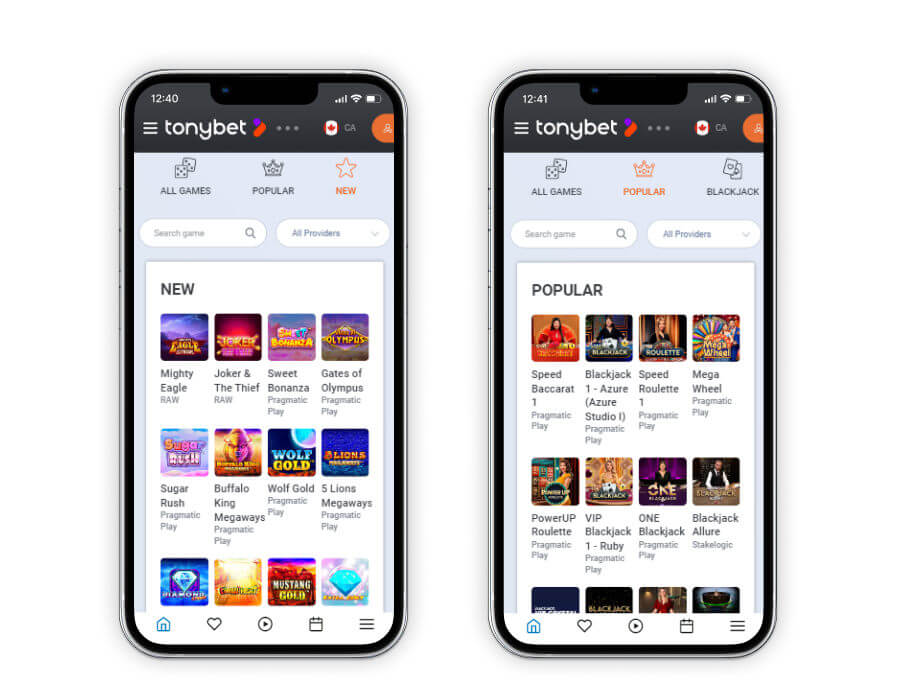
At TonyBet Casino, I have observed that the process is designed to be frictionless. You tap the self-exclusion link, choose your period, and confirm. An automated email then appears to confirm the lock. If you ever are uncertain, the live chat support team can also activate it on your behalf, but I favor the direct method because it sets you in immediate control.
I must highlight that self-exclusion applies only to that specific brand unless a group-wide scheme is in place. If you have accounts on sister sites, you need to confirm whether the exclusion propagates. I always recommend asking support this exact question before trusting a single request to cover multiple platforms.
Voluntary Self-Exclusion vs. Account Termination
I often run into misunderstanding between the two actions, and the difference is substantial. A standard account closure is a basic, reversible request. You close the account today, and you can message support tomorrow to reopen it. There is no cooling-off period, no regulatory oversight, and no obstacle to immediate reactivation.
Self-exclusion, by comparatively, is a safeguarded status. I cannot overstate how much more importance it holds. It is documented in the operator’s compliance logs and is open to audit. If a casino inadvertently lets a self-excluded player gamble, the regulatory fines are substantial, so the enforcement is rigorous. Account closure offers none of that institutional protection.
I advise that if your goal is to stop gambling for a defined time, never use the “close account” option as a substitute. It is far too simple to undo. Self-exclusion is the sole tool that legally binds the operator to keep you out. Consider account closure as cleaning up, and self-exclusion as building a locked door with a timer.
There is also a variation in data retention. A closed account might yet receive marketing except if you explicitly opt out. A self-excluded account is automatically suppressed from all promotional databases. I constantly emphasize this because the absence from marketing is frequently as beneficial as the failure to deposit.
What Takes Place During a Self-Exclusion
When the exclusion is active, the experience is marked by silence and zero access. I have examined this from a user perspective, and the login screen will simply reject your credentials with a message stating the account is blocked. There is no backdoor, no VIP manager override, and no amount of pleading that can undo it before the term expires.
All pending withdrawals are completed as normal. This is a crucial point I want to emphasize: the casino cannot hold your funds hostage. Any cleared balance in your account will be sent back to your registered payment method. I have observed too many people delay self-exclusion because they fear losing access to their money, and that fear is groundless.
Marketing communications stop entirely. I have observed that it takes up to 48 hours for all automated email flows to stop, but after that, the inbox goes quiet. If you receive a promotional message after that window, I advise you to report it, because it points to a system failure that the compliance team must fix immediately.
During this period, you are also prevented from creating new accounts. Operators use identity verification checks to avoid circumvention. I have witnessed cases where a player attempts to sign up with a different email but the same name and date of birth, and the system flags it. This is a defensive measure, not a punitive one.
Various Types of Self-Exclusion
I want to clarify that self-exclusion is not a one-size-fits-all solution. The industry has evolved to offer multiple tiers, and understanding them is vital. The most common distinction I see is between time-limited and indefinite exclusions. Each serves a different psychological need and life situation.
Here are the primary categories I always explain to anyone asking for guidance:
- Short-Term Cooling-Off: This typically ranges from 24 hours to six weeks. I advise this for moments of acute frustration or after a significant loss when emotions are high. It is a circuit breaker, not a life change.
- Standard Fixed-Term Exclusion: Usually spanning six months to one year. I find this appropriate for players who notice a pattern of excessive play and want to reset their habits without closing the door forever.
- Long-Term Exclusion: These can last up to five years. I see this chosen by individuals making a serious commitment to financial recovery or those who need an extended break to focus on career and family.
- Permanent Self-Exclusion: This is the most decisive option. Once set, it generally cannot be reversed. I recommend this only when you are certain you never want to return to that platform or any associated brand.
Some jurisdictions also offer a centralized national self-exclusion scheme that covers all licensed operators at once. I will touch on that later, but for now, know that you can mix and match these options depending on the specific platform and your personal goals.
What Makes Responsible Gaming Tools Count
I believe that a casino’s image is established not just on its game library but on how it safeguards its community. Responsible gaming tools, with self-exclusion at the core, are the safety net that supports people before a hobby develops into a source of stress. I have observed that players who actively set limits usually to enjoy their sessions more because the fear of losing control is removed.
These tools are not an admission of weakness. They are a mark of strategic thinking. I compare it to setting a budget for a vacation: you set the boundaries so you can relax within them. When a platform like TonyBet Casino includes these features prominently, it indicates that the brand values long-term customer well-being over short-term revenue spikes.
The psychological relief is also immediate. Understanding that a self-exclusion barrier is in place can lessen the mental load of constantly having to resist an urge. I have chatted to individuals who characterize the activation moment as taking a deep breath after holding it for too long. That peace of mind is the entire goal of the tool.
Returning After a Self-Exclusion Concludes
When the exclusion period ends, the account does not automatically unlock and inundate you with offers. I have always valued that the industry standard is a measured, slow reactivation. You must directly contact customer support and ask for the lifting of the restriction. This adds a vital layer of reflection.
I have seen that many operators, including TonyBet Casino, impose a mandatory cooling-off review period. Even after you seek reactivation, there is often a seven-day waiting period before you can play again. This is not a technical delay; it is https://www.reddit.com/r/Biloxi/comments/1hmz73x/overall_best_rooms_at_casino_resort/ a psychological measure to prevent impulsive returns after months of discipline.
I strongly recommend using this waiting week to review your deposit limits and loss limits. The settings that existed before your exclusion might not be appropriate now. I always inform returning players to set the most stringent possible limits on day one and only loosen them after a month of stable, controlled play.
If you experience a surge of anxiety or excitement that feels overwhelming during the reactivation process, I consider that a red flag. You can always prolong the exclusion or choose a permanent block at that moment. The end of a term is not a finish line you must cross; it is a decision point that you manage entirely.
Options to Full Self-Exclusion
I understand that a complete block can feel too drastic for someone who just desires to tighten their control. Before you commit to a full exclusion, I want you to be aware of the lighter, yet still efficient, tools available. These options allow you to remain on the platform while developing better habits.

I have gathered the most beneficial alternatives that I observe functioning for players every day:
- Deposit Limits: You can limit the amount you can transfer into your account daily, weekly, or monthly. I find this especially efficient because once you attain the limit, the system rejects any further deposits instantly, no matter the condition.
- Loss Limits: This sets a ceiling on net losses over a specific period. I choose this over deposit limits for players who might succeed and then recycle winnings, as it concentrates on the actual financial effect.
- Wagering Limits: This limits the total amount of money you can stake. I recommend it for those who play high-volume, low-stake games and lose track of cumulative volume.
- Session Time Limits: A pop-up reminder or forced logout after a set number of minutes. I have witnessed this interrupt the trance-like state that can result to poor decisions.
- Reality Checks: Periodic on-screen notifications indicating elapsed time and net spend. I regard these a gentle nudge that holds you grounded without restricting your freedom.
At TonyBet Casino, these tools are located right next to the self-exclusion option in the same responsible gaming hub. I encourage you to experiment with a combination of limits before opting for a full block. Sometimes, a well-calibrated loss limit is all you require to maintain the experience fun and safe.
FAQ
Am I able to cancel a self-exclusion before the term ends if I change my mind?
I have never encountered a credible platform that permits early cancellation of a set-term self-exclusion. The full integrity of the system relies on its irreversibility. Once you make the commitment, the timer must run out. If you think you acted in error, you can get in touch with support, but they are constrained by regulation to refuse the request. This rigidity is a characteristic, not a flaw.
Can self-exclusion impact my credit score or background checks?
No, self-exclusion is a personal agreement between you and the gaming operator. I can confirm that it is not disclosed to any credit bureau or public registry. It does not surface on background checks for employment or loans. The only external visibility happens if you sign up in a government-run national self-exclusion scheme, and even then, the data is tightly segregated from financial records.
What is the outcome if I seek to open a new account during self-exclusion?
I have observed this attempted many times, and it almost always fails. Operators cross-reference your personal details, IP address, and payment methods against their exclusion database. If a match is found, the new account is frozen immediately. More importantly, any deposits put into that duplicate account may be frozen pending an investigation, and you risk a permanent ban across the whole brand group.
Is self-exclusion identical across all casinos I use?
No, and this is a critical distinction I always highlight tonybet-kazino.lv. A self-exclusion at one casino does not immediately apply to others unless they are part of the same parent company or you have registered in a national self-exclusion program like GAMSTOP. I strongly recommend making a list of every site you visit and turning on the exclusion on each one one by one if you want a comprehensive break.